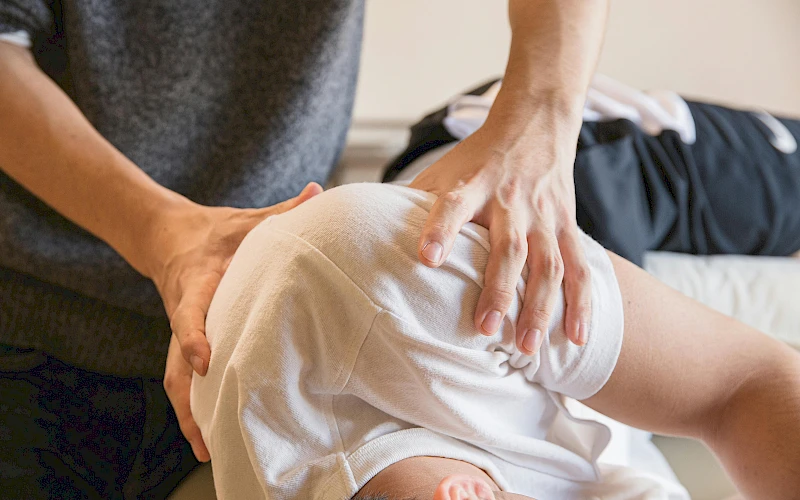
After pain or injury, the gym can feel like both the goal and the obstacle.

Physiotherapy
Chiropractic

Massage
Other Services
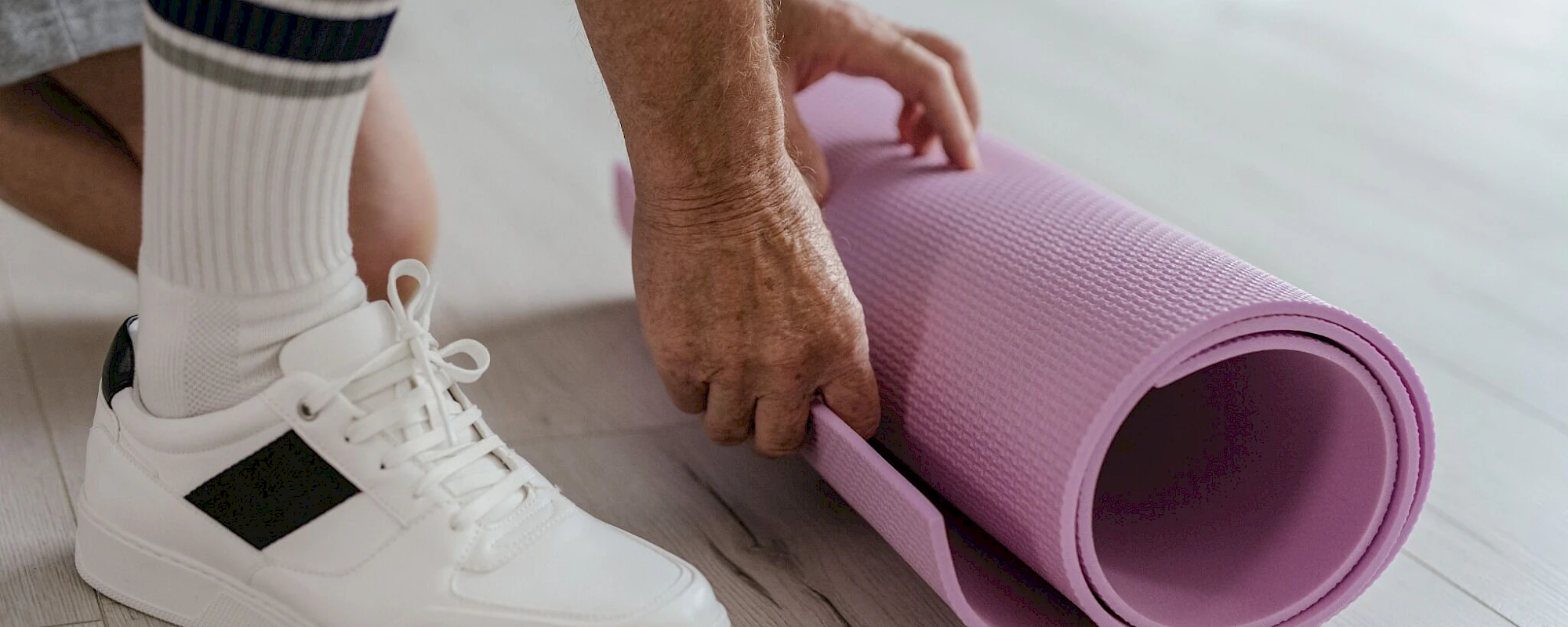
Returning to the Gym After Pain or Injury: A Smarter Way to Rebuild Confidence
You may be worried that your first squat, press, run, or deadlift will set you back, or frustrated that you've lost the routine that made you feel like yourself. The good news is that returning to training rarely has to be an all or nothing decision. Most successful returns happen gradually, with a plan that builds confidence and capacity over time instead of testing whether you're "ready."
Start with What You Need to Return To
"Back to the gym" means something different for everyone. It could mean comfortably completing a 30 minute workout, returning to heavy barbell lifts, or simply moving without worrying about every sensation. Before thinking about exercises, define what success actually looks like for you. Having a clear goal helps determine what needs to be assessed, what movements should be practiced, and how your training should progress. You don't have to be back to your previous best before you begin rebuilding. In fact, waiting until everything feels perfect often delays progress more than it helps.
Use a Graded Exposure Approach
One of the most effective ways to return to exercise is through graded exposure. Rather than avoiding movement or jumping straight back into your previous routine, start with a version of the movement that you can perform with reasonable confidence and tolerable symptoms. That may mean using a lighter load, reducing your range of motion, slowing the tempo, performing fewer sets, using more support, or choosing a less demanding variation of the exercise. From there, gradually progress one or two variables at a time. Graded exposure isn't just about helping your body adapt. It's also about rebuilding confidence. After an injury, many people lose trust in their body. Each successful workout helps reinforce that movement is safe and that your body is capable of adapting.
Avoid the Boom and Bust Cycle
One of the most common mistakes people make is trying to pick up exactly where they left off. They finally feel better, complete a hard workout to "test it," experience a flare up, then avoid exercise completely until they feel better again. Unfortunately, this boom and bust cycle often slows recovery more than the injury itself. Instead, aim for consistency over intensity. A series of manageable workouts performed regularly will build far more confidence and capacity than occasional all out efforts followed by extended rest.
Build the Basics Around Your Goal
Returning to the gym often starts with rebuilding your overall capacity, not just focusing on the injured area. Comfortable aerobic exercise, basic upper and lower body strength, balance, coordination, and adequate recovery all provide the foundation for returning to more demanding activities. From there, your program should become more specific to your goals. Someone returning to barbell lifting may progress from bodyweight movements to loaded compound lifts, while an athlete returning to sport may gradually reintroduce sprinting, cutting, jumping, and reactive drills.
Know When to Get Assessed First
It's important to seek an assessment before progressing on your own if you've experienced significant trauma, recent surgery, a suspected fracture or tendon rupture, progressive weakness or numbness, a hot swollen joint, chest pain, or symptoms that continue to worsen. Even if your injury isn't serious, recurring flare ups or uncertainty about how to progress are good reasons to seek care.
At Avita Health, our chiropractors help bridge the gap between being pain free and confidently returning to the activities you enjoy. A chiropractic assessment can identify movement restrictions, strength deficits, mobility limitations, or training errors that may be contributing to ongoing pain. Treatment may include hands on care, individualized rehabilitation exercises, movement coaching, education, and progressive load management to help you return to training safely and confidently.
Disclaimer: This article is intended for educational purposes only and should not be considered medical advice or a substitute for an individual assessment. Every injury and every person is different. If you are experiencing severe pain, significant trauma, rapidly worsening symptoms, or another medical emergency, seek immediate medical attention.