Our TMJ Team
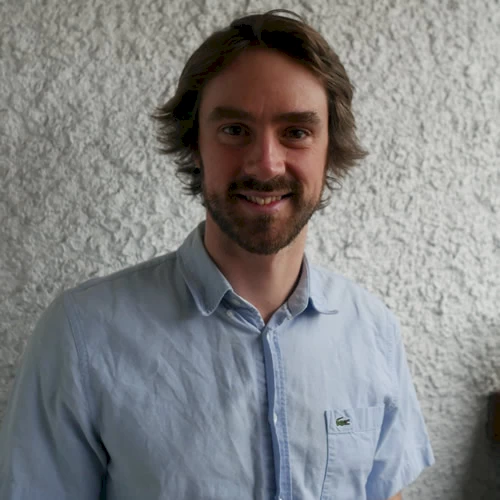
Registered Physiotherapist
Physiotherapy, IMS – Intramuscular Stimulation, Shockwave Therapy, Cold Laser Therapy, TMJ
Julien Anderson Nadeau
Julien completed his Masters in Physiotherapy at the University of Sherbrooke in Quebec. Since then, he has accumulated over 8 years of experience treating a wide variety of musculoskeletal conditions in the private sector.
His approach combines manual therapy, soft tissue release, patient education and specific exercise programs. He is a firm believer that these exercises not only help achieve his patients goals, but also help maintain long term benefits from his treatments.
In addition to dealing with the typical conditions seen by most physio, he also provides advanced treatments of the TMJ (jaw) joint and of multiple types of headaches linked to that area. He is also very familiar with injuries related to rock climbing, which is one of his passions.
His other passions include playing music and exploring the backcountry, whether it's in hiking boots, on a splitboard or on a mountain bike.
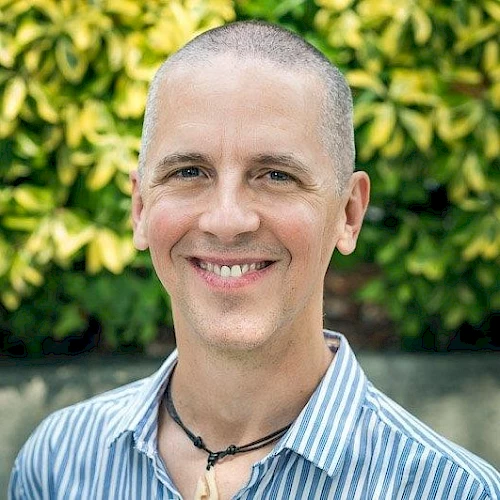
RMT
Massage Therapy, TMJ
Richard Phillips
Richard is originally from North Vancouver, BC where he studied for his RMT accreditation at the Vancouver College of Massage Therapy. He has always had a special interest in health and wellness with a passion for helping his clients get back to a healthy and full life.
After graduation he went on to study Craniosacral Therapy, Management of TMJ (Jaw) Dysfunction, Instrument Assisted Soft Tissue Mobilization, and Soft Tissue Release Technique. Through continuing his education, he gained and explored new knowledge about the underlying anatomy and physiology of the human body.
In his spare time, Richard likes to paddleboard, mountain bike, and motorcycle.
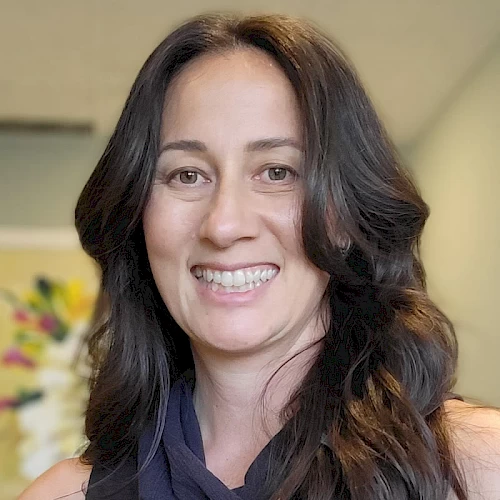
RMT
Massage Therapy, TMJ, Manual Lymph Drainage (MLD) Massage
Anita Chevalier
Anita Chevalier, RMT, is a Vancouver native whose upbringing in the city fostered a love for an active lifestyle. Swimming became her passion, offering both physical exercise and a mental escape. With a belief in holistic wellness, Anita chose to pursue a career in massage therapy. As a Registered Massage Therapist, she blends various techniques to address her clients’ needs, prioritizing a holistic approach to health. Anita’s therapy style is centered around each client, aiming to alleviate discomfort by targeting underlying issues. She emphasizes the body’s innate healing abilities through her practice. Outside her work, Anita cherishes Vancouver’s natural beauty. Whether swimming or exploring the outdoors, she maintains her commitment to an active lifestyle, reflecting the balance she promotes in her clients’ lives.
RMT
Massage Therapy, TMJ
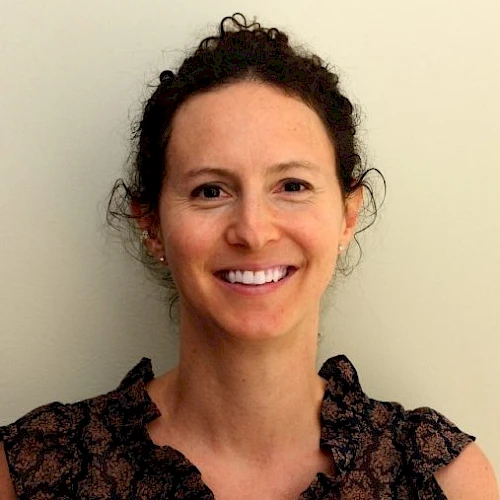
Erin Frost
Erin was born and raised on the North Shore. She graduated from the West Coast College of Massage therapy's 3000-hour massage diploma program in 2005. She enjoys working with a variety of people/conditions from the weekend warrior to Iron Man competitors.
Her first experience with alternative therapies began after being in a major car accident as a child. She learned then how effective they were at helping her regain function and reduce pain. She likes to work with people to attain their goals and is a huge believer in the mind-body connection when it comes to pain.
Erin uses a combination of deep Swedish, myofascial and trigger point release, muscle energy technique, and joint play during her treatments.
When not at work she enjoys spending time in the outdoors be it hiking, trail running, skiing, and snowshoeing. She also loves to travel.