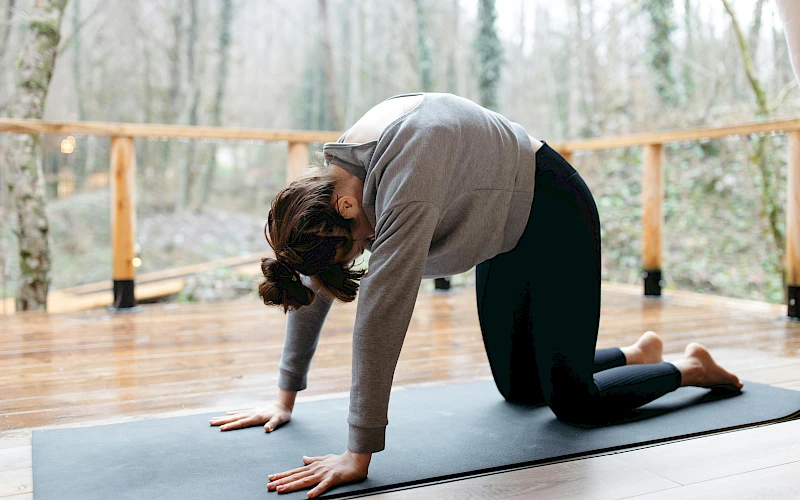
Physiotherapy
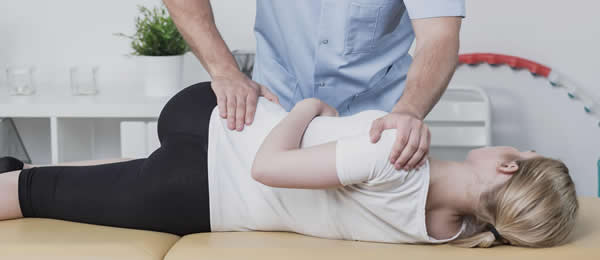
Chiropractic

Massage
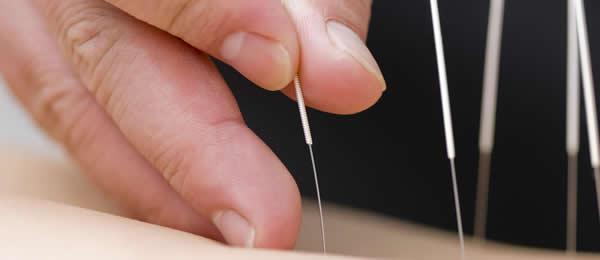
Other Services

Pelvic Floor Exercises: Understanding Your Options
The pelvic floor plays an important role in how we move, control our bladder, and support our core. Whether you are pregnant, recovering from surgery, dealing with leaking or pelvic pain, or simply curious, understanding pelvic floor exercises is a great first step.
What Are Pelvic Floor Exercises?
The pelvic floor is a group of muscles and connective tissue stretching from the public bone to the tailbone. These muscles support sexual function and work with your deep abdominal and back muscles to stabilize your trunk. Pelvic floor exercises are movements and techniques that train these muscles to work well. A well-known exercise is the Kegel: gently tightening and lifting the muscles and then fully letting go.
Strength, Relaxation, and Coordination
A healthy pelvic floor needs:
- Strength: The ability to contract and hold, and to rect when you cough, sneeze, laugh, or lift. Strength training often includes slow, sustained holds as well as quick contractions.
- Relaxation: A pelvic floor that stays tense can contribute to pelvic pain, constipation, urinary urgency, and discomfort with intercourse. Relaxation exercises often start with slow breathing, allowing your belly to soften as you inhale and your pelvic floor to gently release.
- Coordination: The ability to coordinate your pelvic floor with your breathing, abdominals, and back.
When to See a Pelvic Floor Physiotherapist
Two people can have the same symptom for very different reasons. A pelvic floor specialist can provide a thorough assessment and an exercise plan that works for your specific needs. Consider booking an appointment if you experience:
- Leakage with coughing, sneezing, or exercise
- Frequent or urgent trips to the bathroom
- A feeling of pressure, heaviness, or bulging in the pelvis
- Pelvic, tailbone, hip, or low back pain that doesn't settle
- Pain with intercourse
- Concerns during pregnancy or after childbirth
- Preparing for birth
- Uncertainty abour exercises
This article is for general information only and isn't a substitute for personal medical advice. Please speak with a healthcare provider about your individual situation.