

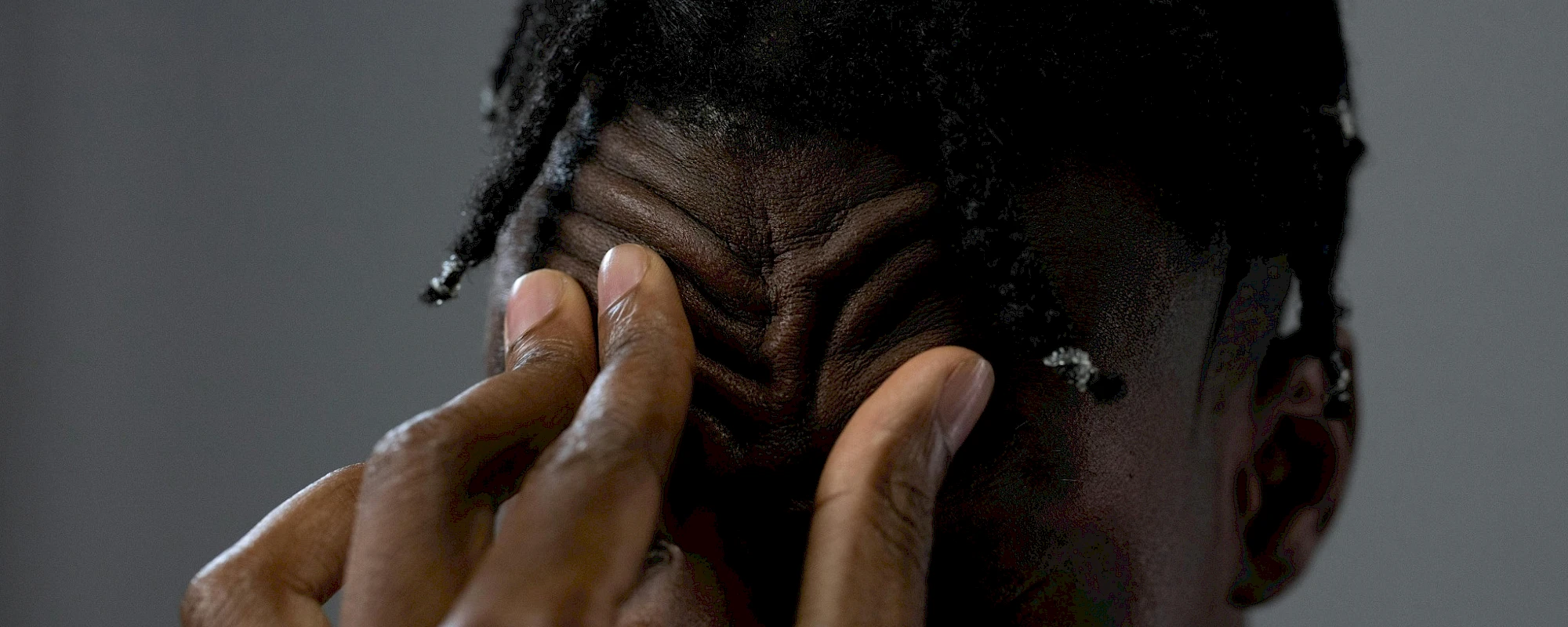
Tension headaches are one of the most common types of headaches we see in clinic. They are often described as a tight band around the head, pressure at the base of the skull, or aching through the neck and shoulders. Many tension headaches are linked to muscle tension, poor posture, and joint irritability in the neck and upper back. Tension headaches are quite common, with a lifetime prevelance of 30-78% in the general population. They are typically considered a primary headache disorder (meaning the headache itself is the main issue), but in some cases they can be secondary, meaning another condition such as neck problems or stress contributes/worsens the headache.
Research shows that targeted exercises, especially those that strengthen deep neck muscles and improve mobility, can significantly reduce headache frequency and disability when performed consistently.
Common Triggers for Tension Headaches
The following are some of the factors that often create tight muscles and reduced movement, thereby increasingg pressure on the surrounding joints and nerves:
- Prolonged sitting or computer work
- Poor posture
- Jaw clenching
- Stress & muscle tension
- Repetitive strain
Exercises That May Help Reduce Tension Headaches
The following exercises are commonly used in evidence-based rehabilitation programs for tension headaches and neck pain. They focus on reducing muscle tension and restoring normal movement in the neck and upper back. Performing them consistently can help decrease headache frequency and intensity over time.
Click the link below to watch Dr. Max Szczawinski demonstrate these exercises so you can perform them safely and effectively.
Watch the demonstration video here:
Tension Headache Relief
Chin Tucks
Sit or stand tall and gently pull your chin straight back (like making a double chin). Keep your eyes level and avoid tilting your head. Repeat 8–10 times.
Archer Stretch
Start with your arms in front of you. Pull one arm back as if drawing a bow while rotating your upper body slightly. Return slowly and repeat on the other side. Repeat 8-10 times.
Levator Scapulae Stretch
Sit tall, turn your head slightly to one side, and gently look down toward your armpit. Use your hand to apply light pressure if comfortable.
Nerve Flossing (Arm Across Body with Head Movement)
Bring one arm across your body and gently move your head toward your elbow. Return to the starting position and repeat in a slow, controlled manner. Repeat 8-10 times per side.
Important Note
These exercises are intended as general guidelines and may not be appropriate for everyone. Headaches can have many different causes, and proper assessment is important to determine the most effective treatment approach.
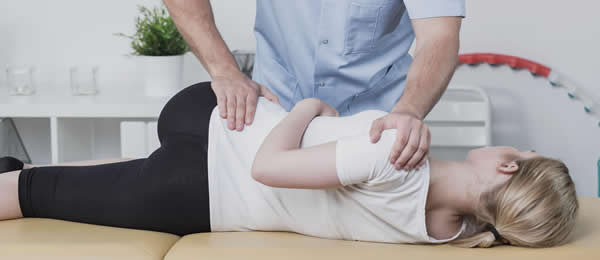
If your headaches are persistent, worsening, or interfering with daily activities, consider seeking an evaluation from a qualified healthcare professional. Our chiropractors can assess muscle tension and nerve function to develop a personalized treatment plan tailored to your specific needs. Early assessment and appropriate care can help address the underlying cause of symptoms and support long-term recovery and prevention.
To learn more about our chiropractors at Avita Health and book an appointment, click HERE.